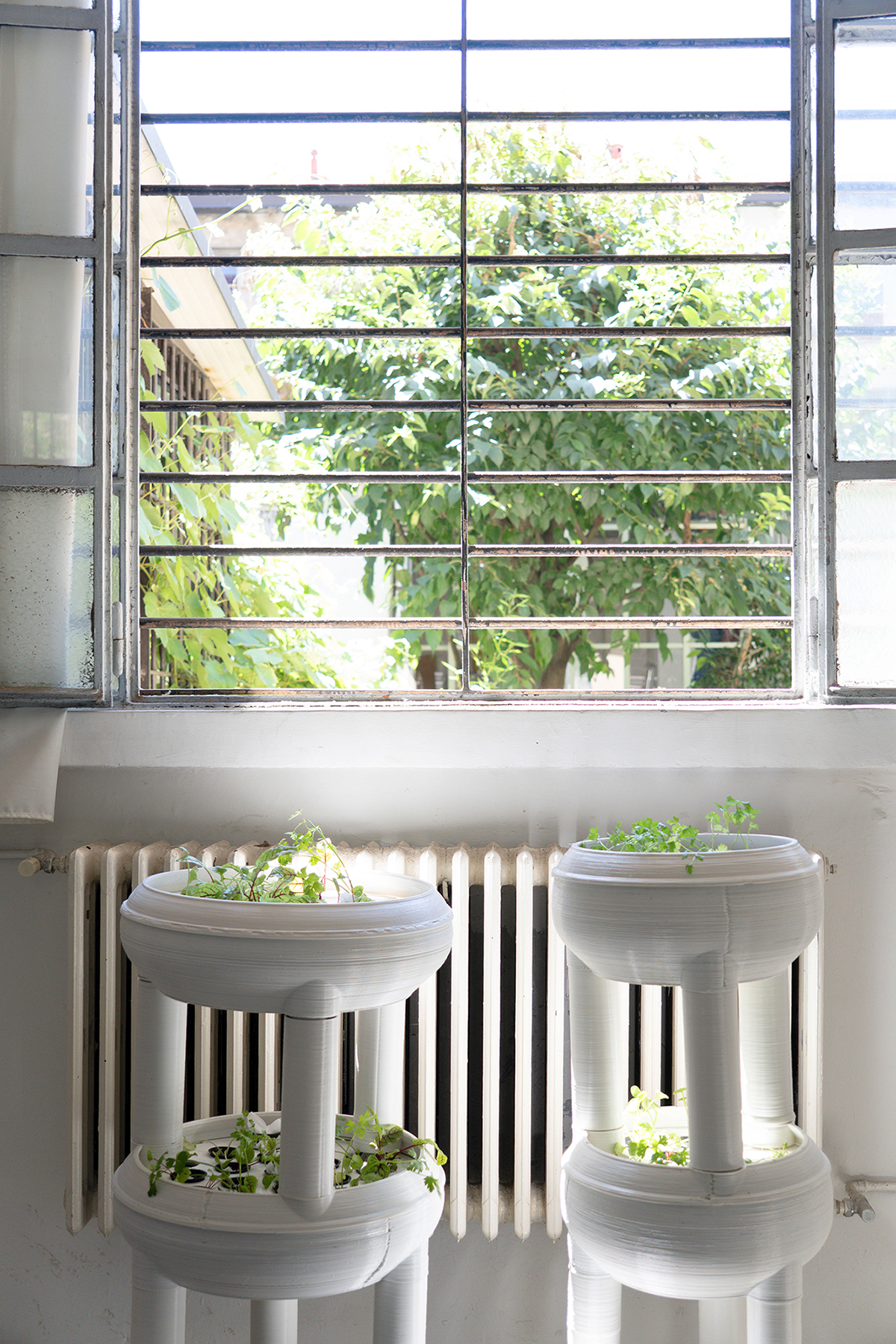
Verdant Ascent
We have explored the potential of 3D printing for the creation of modular and circular urban agriculture systems.
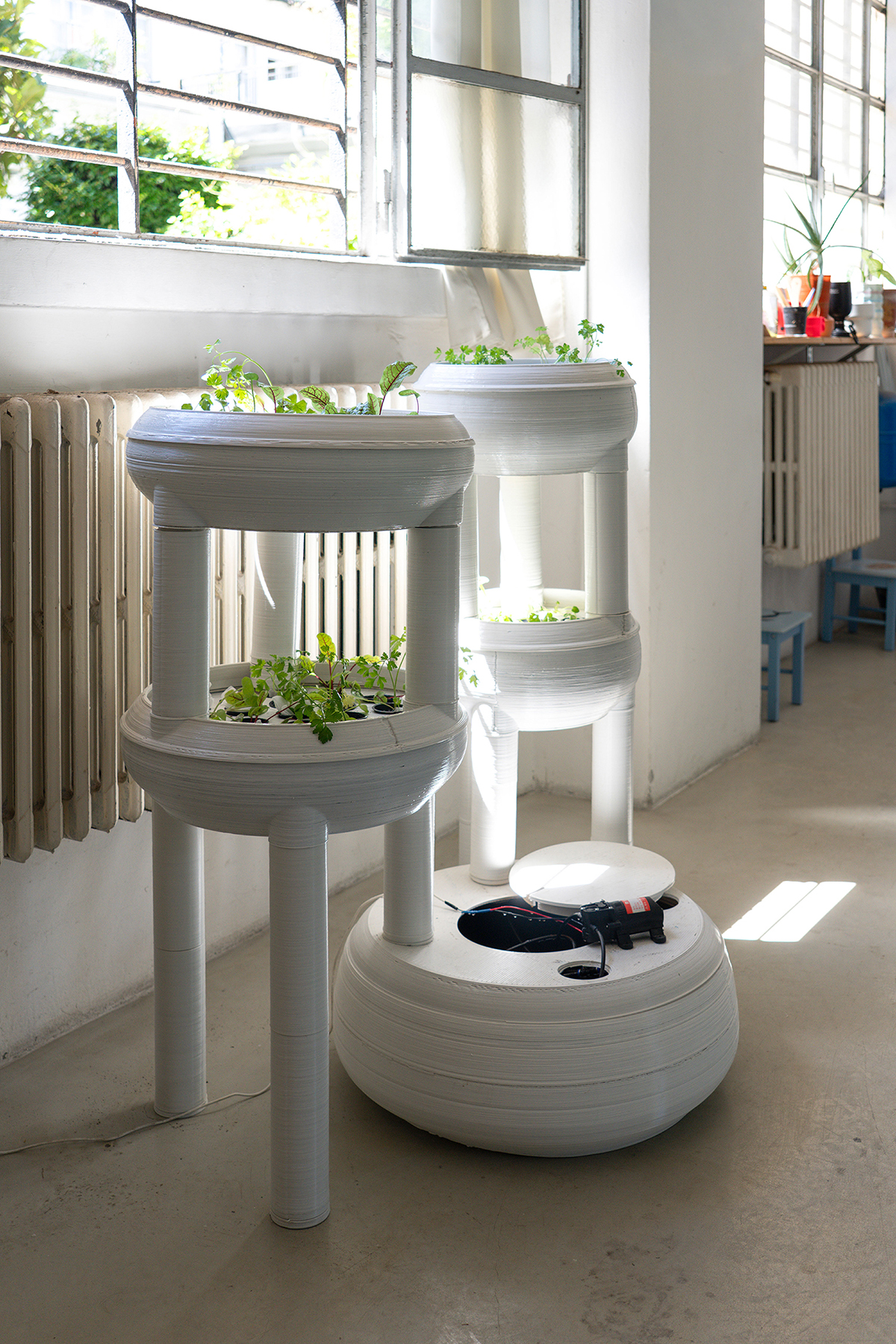
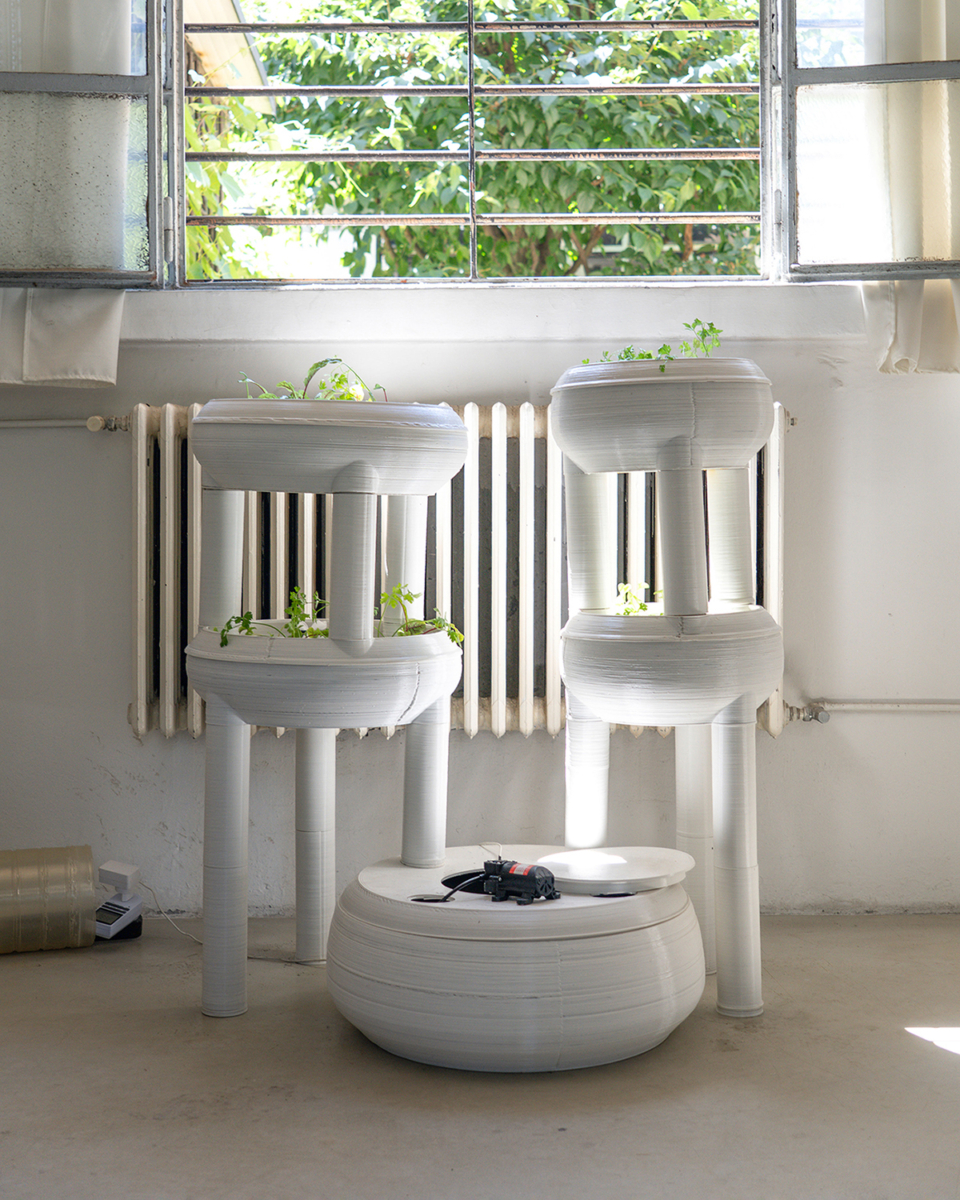
Verdant Ascent It is a project developed as part of the European program LAUDS – Local Accessible Urban Digital Sustainable Factories that explores the 3D printing for urban agriculture as infrastructure for food production in the built environment. The project integrates additive manufacturing, recycled materials, and advanced cultivation systems to define a modular model applicable to shared urban spaces.
The project stems from the need to rethink food production close to where it is consumed, through a system that combines aeroponic technology, parametric design and 3D printing using recycled PLA. The aim is to explore how digital manufacturing processes can become an integral part of contemporary urban infrastructure.
From experimentation to the aeroponic system
The project's development required an initial phase of research and evaluation to identify the cultivation systems best suited to the infrastructure's configuration.
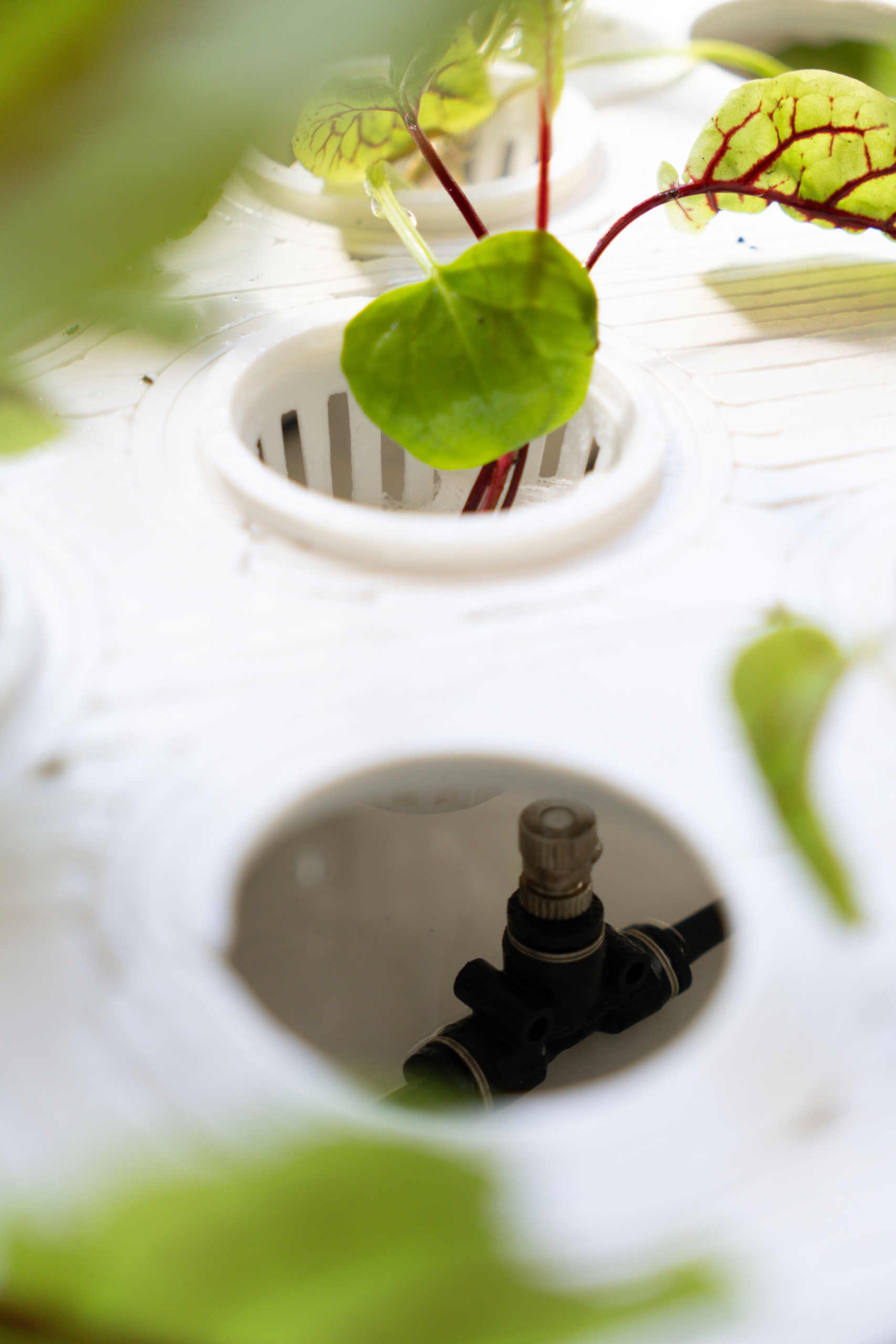
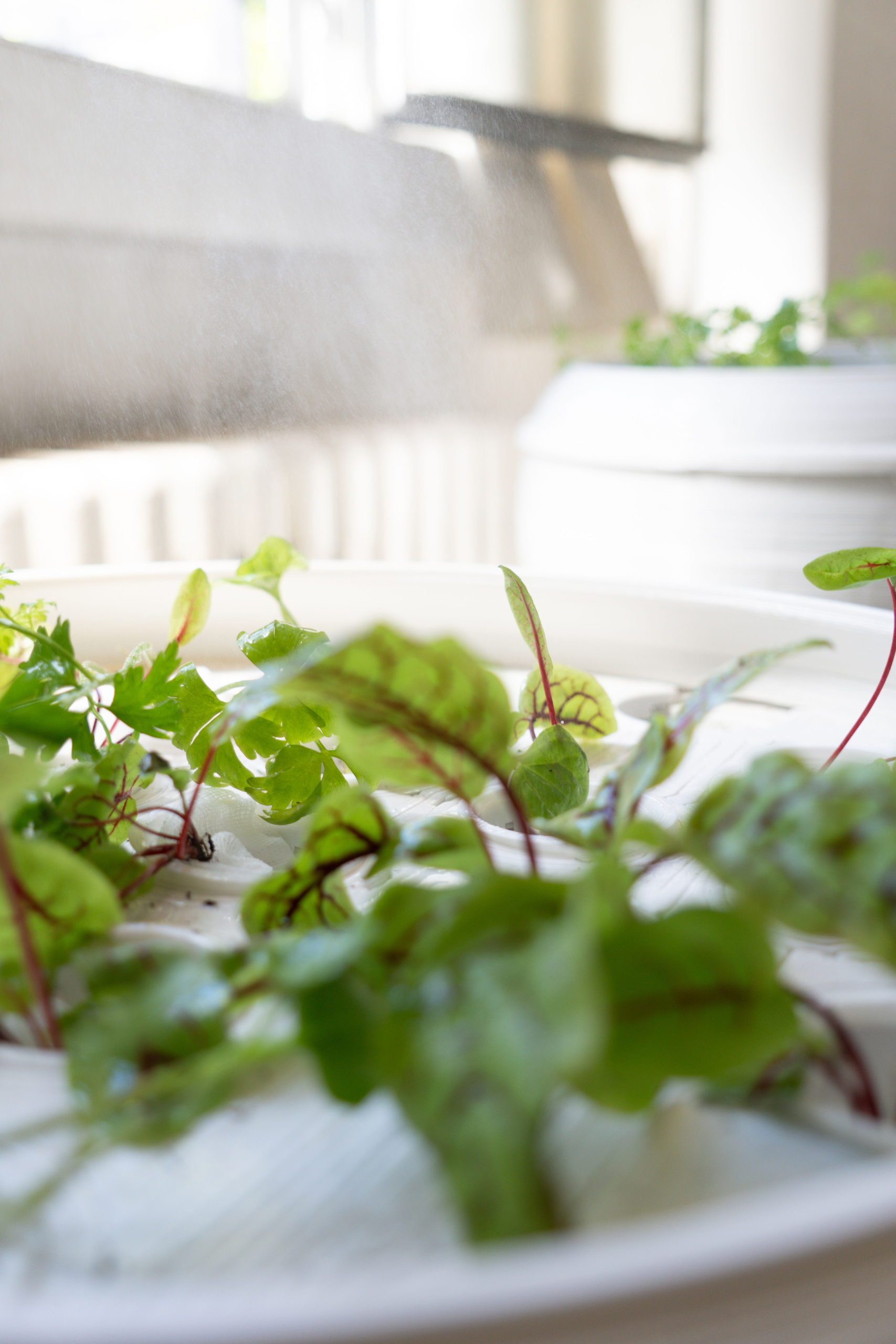
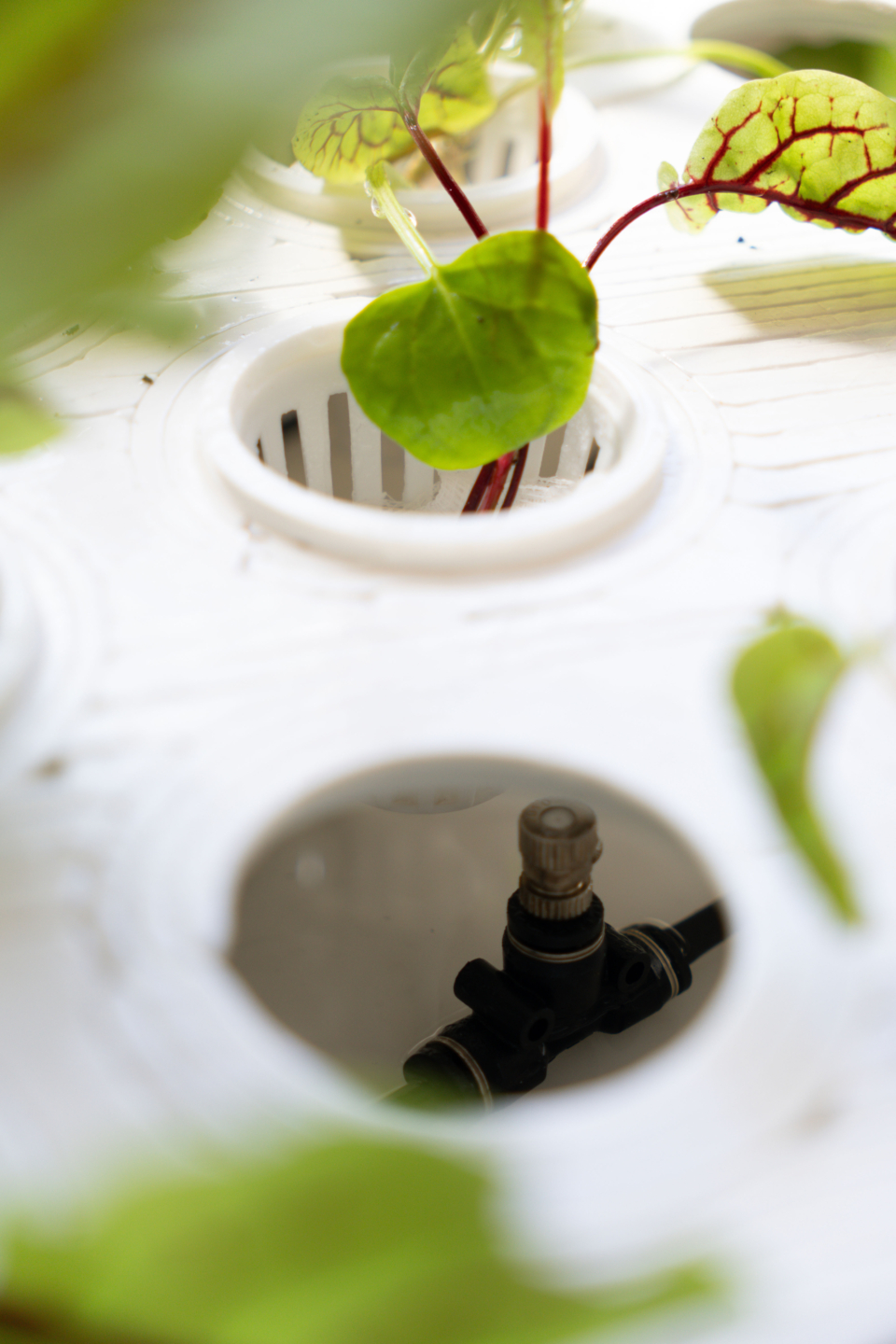
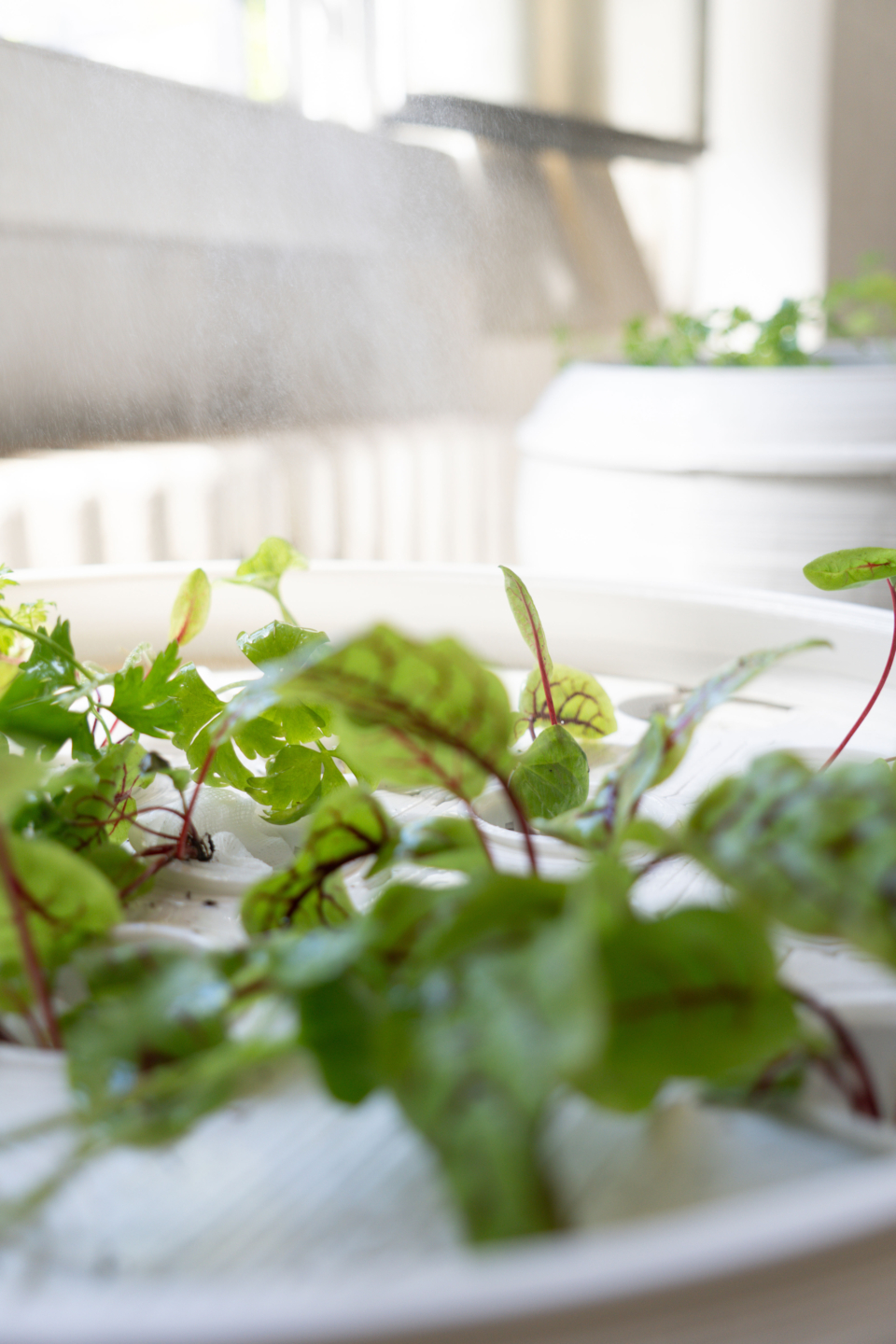
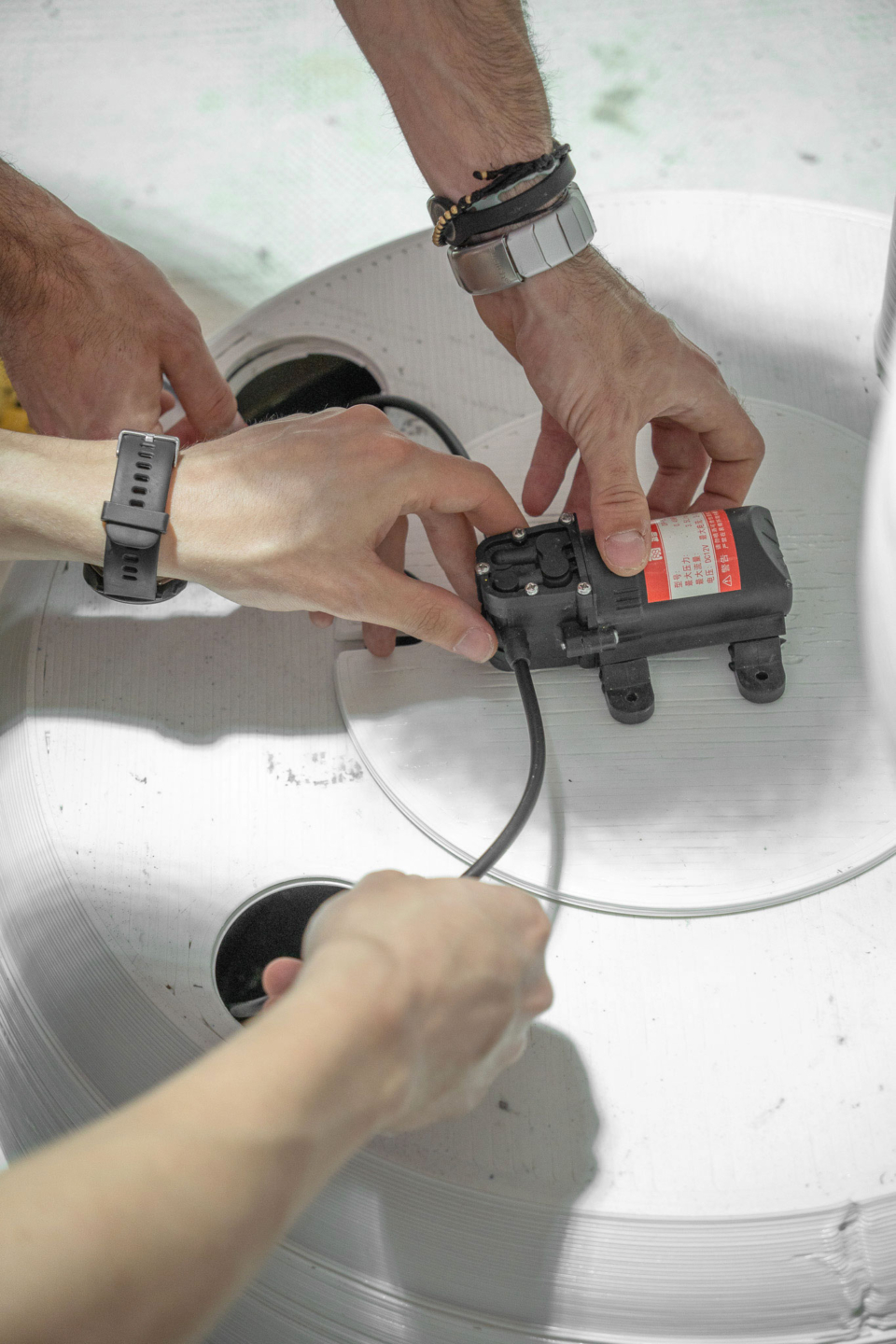
Initial tests made it possible to analyze the system's behavior and define a new configuration based on thehigh-pressure aeroponics. In this technology, the plant roots are suspended inside a closed chamber and nourished through a controlled mist of water and nutrients.
This decision made it possible to optimize resource management and reduce maintenance needs by integrating the cultivation system directly into the 3D-printed structure.

Additive Manufacturing as a Construction Method
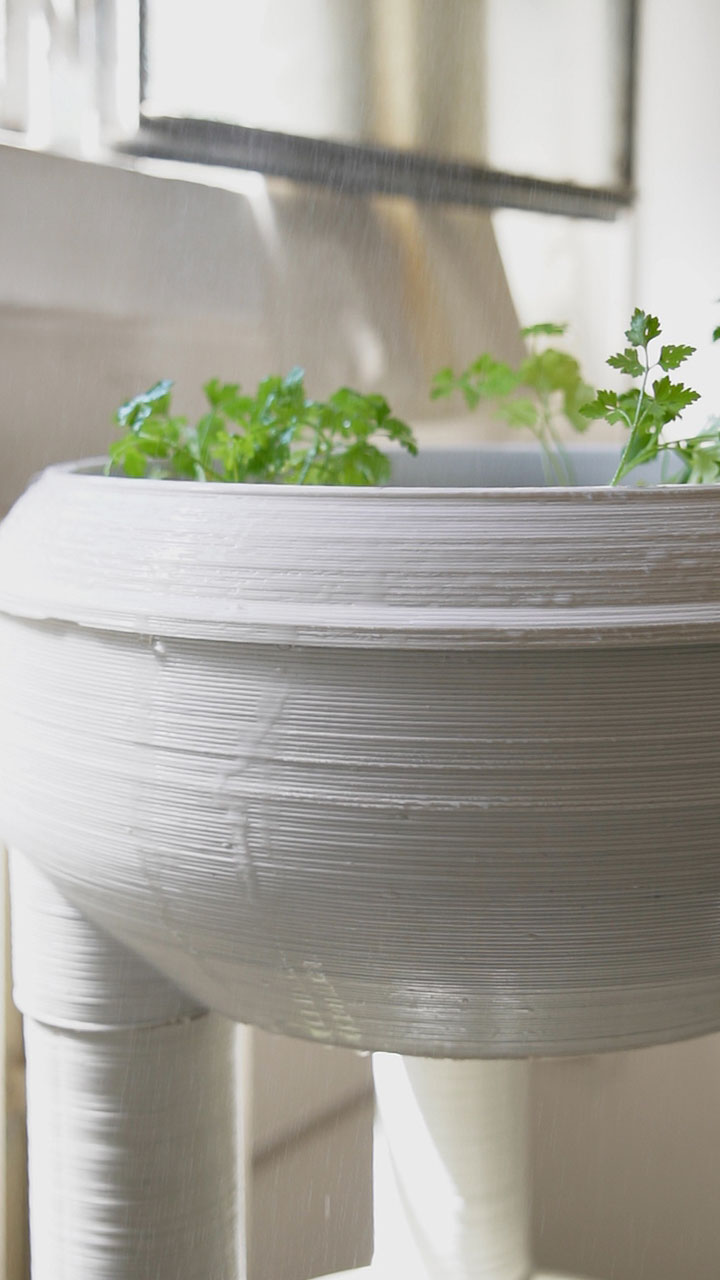
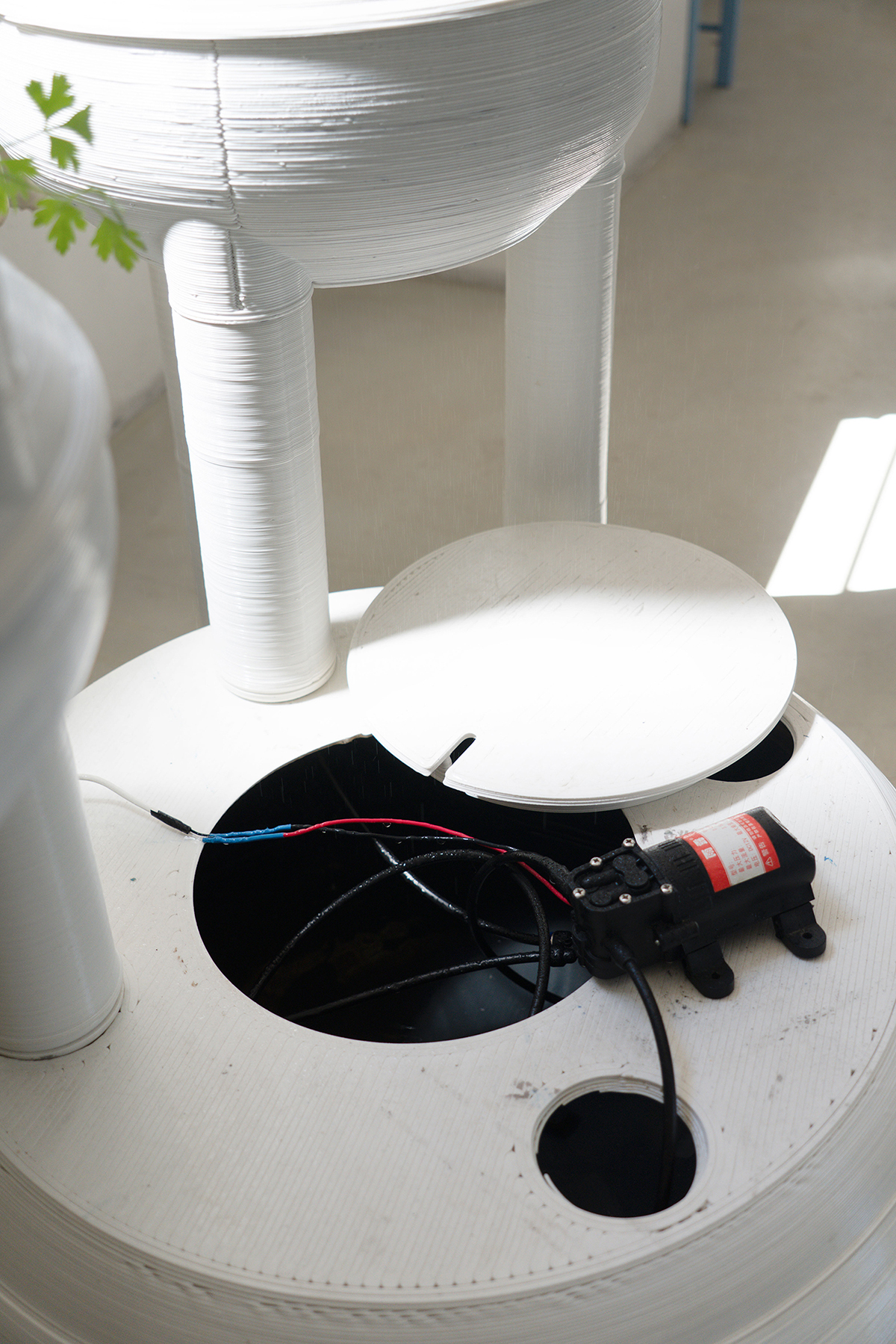
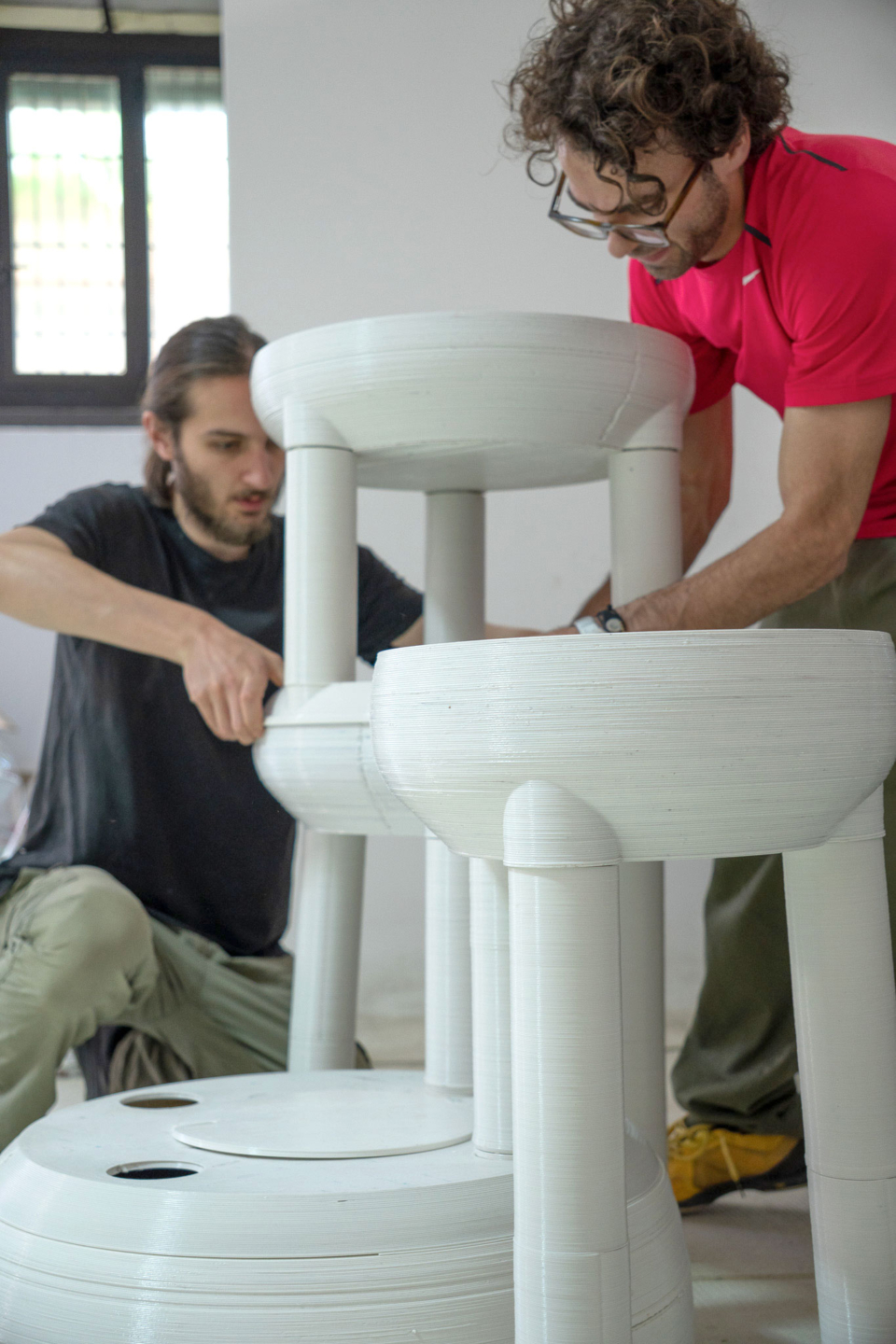
The structure of Verdant Ascent was developed through FDM 3D printing, using recycled PLA as the main material.
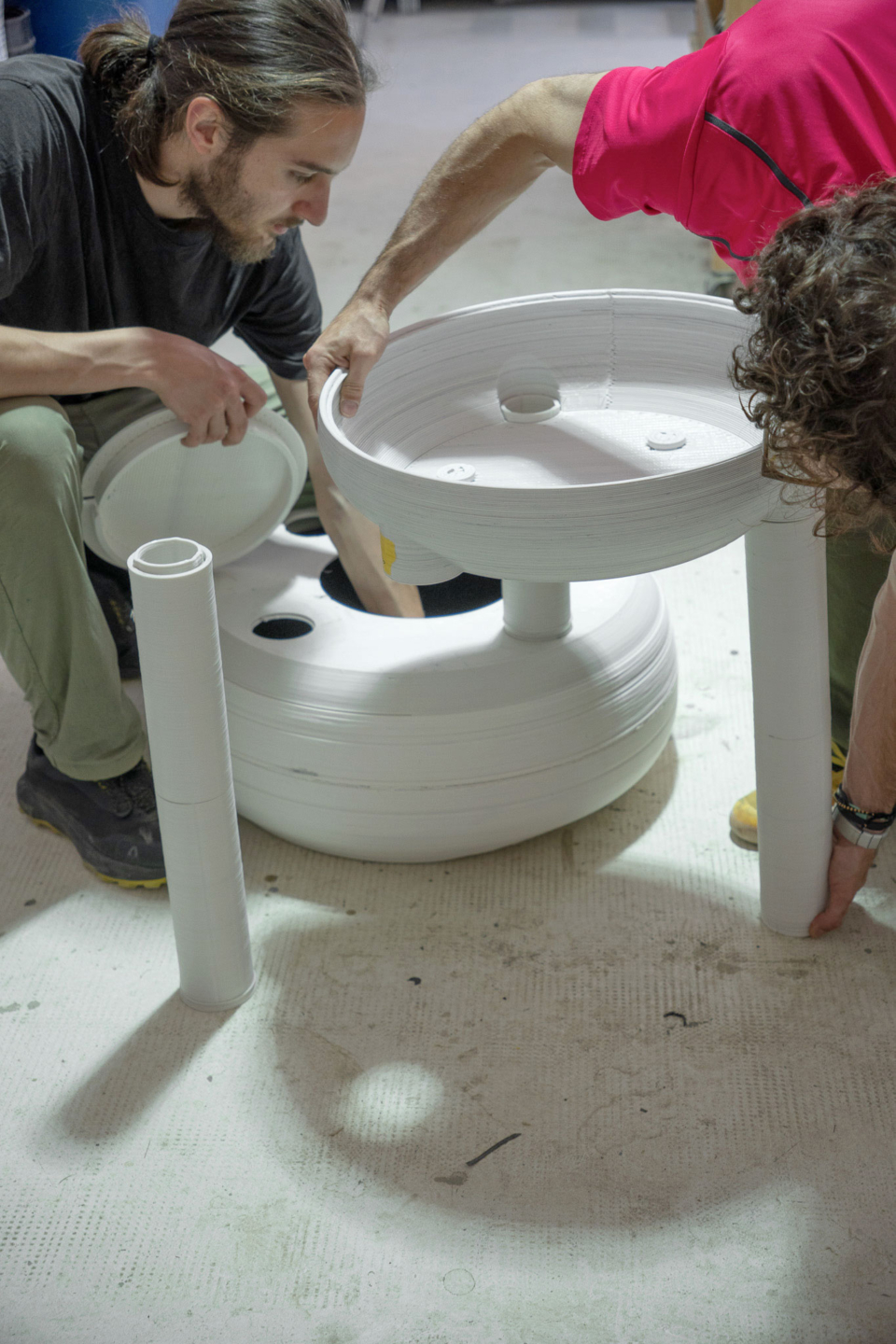
Additive manufacturing has made it possible to design modular, adaptable, and easily replicable components, overcoming the limitations of traditional manufacturing. The geometry of the modules has been designed to simultaneously meet structural, functional, and assembly requirements.
The use of recycled materials places the project within a broader research effort on material circularity, transforming plastic waste into a new functional component.
Parametric Design and Urban Modularity
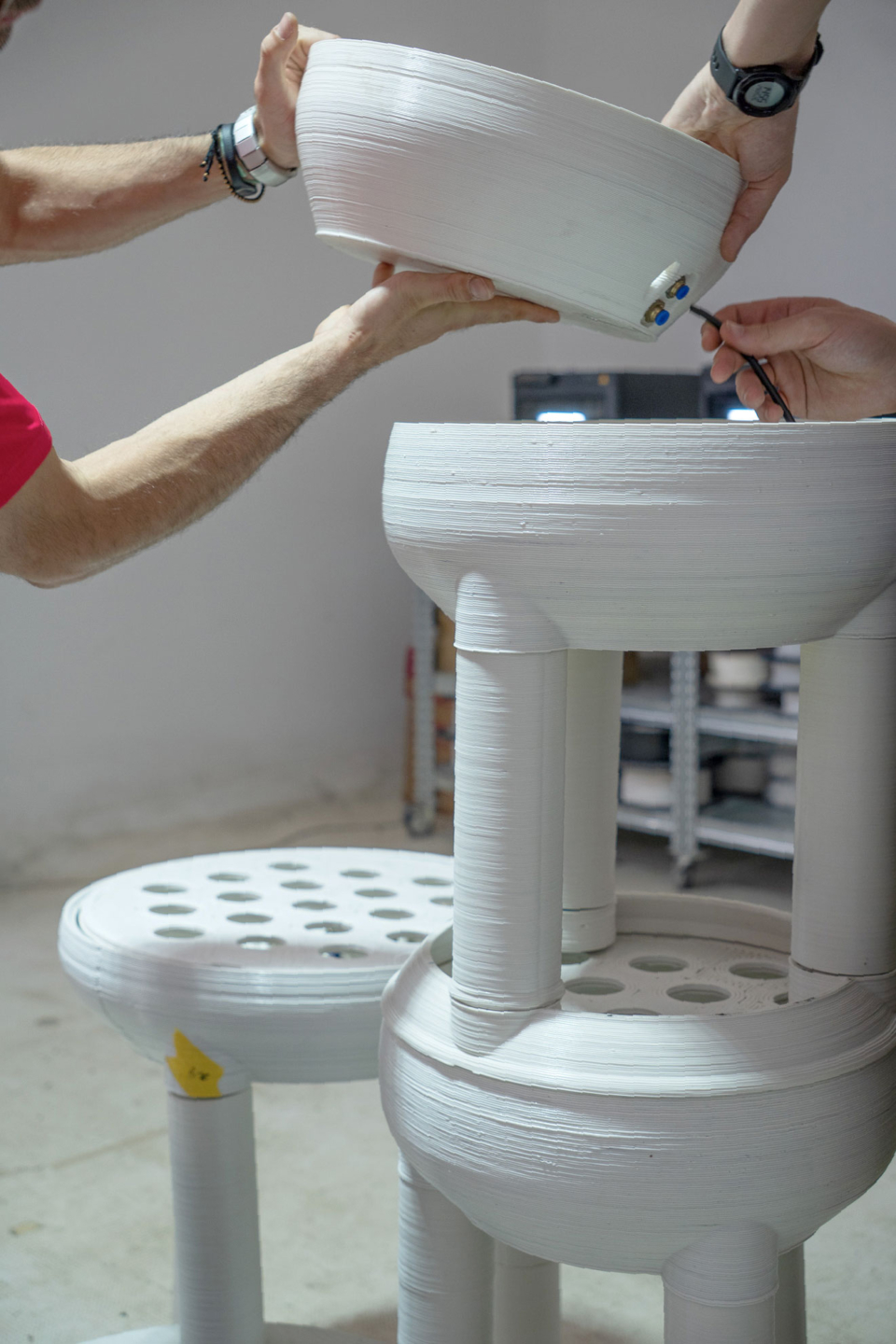
The system’s parametric configuration allows the infrastructure to be adapted to different contexts and scales, whilst maintaining a consistent design approach.
Modularity is not just about production, but also about interaction with users and the ability to integrate the system into different environments: educational spaces, workplaces, communities and shared urban environments.
Verdant Ascent was therefore conceived as an open infrastructure, where technology and design work together to redefine the relationship between cities and food production.
3D printing as a tool for new infrastructure
The project demonstrates how 3D printing can extend its scope of application from the creation of objects to the construction of complex systems. In this context, 3D-printed urban agriculture becomes a testing ground where technology, materials and the environment can be integrated into the design of new infrastructure.
In this context, additive manufacturing becomes a tool for designing new relationships between materials, technology and the environment, enabling the development of infrastructure that is more adaptable, locally focused and consistent with the principles of the circular economy.